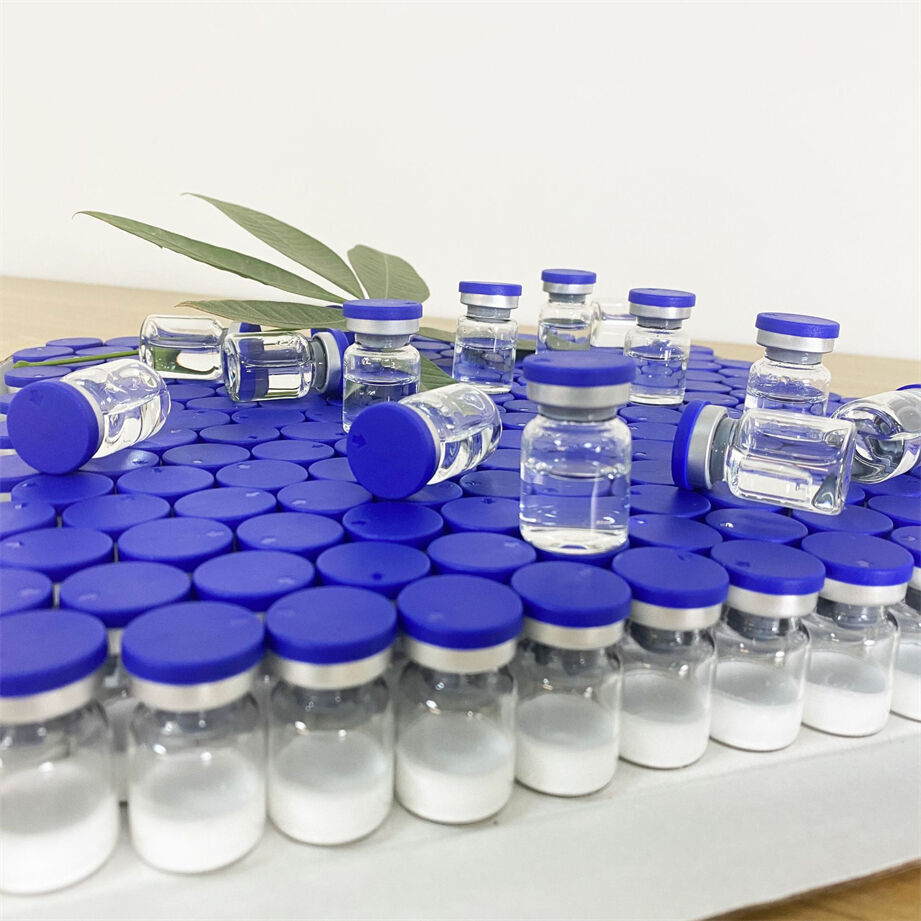
Peptide Pureness: 98% Vs 99% Hplc Explained The area under the main peptide height, contrasted to the total area of all heights, figures out the pureness percentage. Research-grade peptides commonly reveal a dominant optimal representing 99% or more of the total location, with marginal pollutant tops. All compounds supplied by Lone Star Peptide Co. are examined to ≥ 99% purity by HPLC with complete chromatogram paperwork, plus mass spectrometry identification confirmation.
Why The Peptide Market Is A Safety Minefield
Due to the fact that analytical techniques affect what is observed, consumers should stay clear of comparing pureness values from different methods without context. A valuable peptide spec should state the target pureness, the analytical method, requested documents and any type of special task expectations before production begins. Most ion-exchange separations are performed utilizing salt or potassium ion as the cationic counterion and chloride ion as the anionic counterion. Go to the website These CEX peptide requirements can be gotten from the Alberta Peptide Institute, University of Alberta, Edmonton, Alberta, Canada. Assessing retatrutide pureness before purchase requires a lot-specific CoA with HPLC purity information revealing ≥ 98%, mass spectrometry identity verification matching the anticipated ~ 4,731 Da molecular weight, and preferably third-party screening.
What is thought about high purity?
Gases that have extremely low levels of impurities are high-purity gases. They are improved to be made up nearly totally of the intended gas molecules. The level of purity of these gases is typically above 99.995% and can surpass 99.99999%. These gases are rated based on the number of 9s in the purity level.
Peptides are billed particles at most pH worths and the presence of various counterions will affect their chromatographic habits. Thus, anionic counterions (e.g.,, phosphate) will engage with the protonated basic (i.e., favorably charged) residues of a peptide. In comparison, a cationic counterion (e.g., trimethylammonium, triethylammonium, tetrabutylammonium) will certainly reveal an affinity for ionized carboxyl (i.e., adversely https://iernenmito.raindrop.page/bookmarks-76403225 billed) groups. Recently, we determined the optimum TFA focus for peptide separations to be 0.2-- 0.25% TFA, dramatically more than the generally used concentration range of 0.05-- 0.1% (71 ). Radiance Blend (BPC157, TB500, GHK-cu)-- $300Our trademark appeal peptide blend designed to enhance collagen production, boost skin elasticity, and promote cellular repair service at the molecular degree. Minimizes great lines, enhances skin tone and appearance, and supports a more radiant, younger skin from within. Epithalon (50mg)-- $450Longevity peptide that boosts telomerase manufacturing to boost cellular repair work and department. Stimulates the pineal gland to control body clock, deepen sleep high quality, strengthen immune feature, and support healthy aging by potentially postponing age-related problems. True pharmaceutical-grade peptides should meet a minimal purity limit, usually 95% or greater. That's why 99%+ pureness is not just a marketing buzzword-- it's a crucial demand for achieving trusted, reproducible, and purposeful outcomes. These inner standards straighten with the basic area agreement released in method sections of leading peptide pharmacology journals. There are specific research study contexts where greater pureness matters extra. Competitive binding assays making use of radiolabeled or fluorescent ligands are extremely conscious unlabeled competitors.
Peptides are billed molecules at the majority of pH worths and the visibility of various counterions will certainly affect their chromatographic habits.
Scientists commonly examine purity together with identification confirmation, screening techniques, and overall paperwork.
A 95 percent peptide purity target is commonly made use of for early study, exploratory assays, antibody generation, method advancement or tasks where small impurities are not likely to affect the desired professional process.
With techniques such as HPLC and mass spectrometry, scientists can much better understand peptide composition, validate item identity, and review provider quality criteria.
Additionally, we can supply amino acid evaluation (AAA) to figure out the amino acid make-up in a peptide or healthy protein product, which makes sure speculative precision and consistency.
Most of the times, peptides are classified based on their variety of amino acids.
Recognizing Peptide Pureness Percents
Together, these tools offer a clear and in-depth image of peptide make-up, making certain researchers can trust their information. Various other spectroscopic methods, such as Infrared (IR) or UV-Vis analysis, are occasionally made use of for quick high quality checks or architectural confirmation. At Maxed Out Substances, we make peptide transparency a leading concern. Third-party screening eliminates this prejudice by introducing an external entity without any economic risk in favorable results. Scientists can go to Optima Labs and enter the COA code to verify batch credibility and pureness in seconds. This traceable verification procedure offers full visibility from synthesis to delivery. Always request a Certification of Evaluation (CoA) that validates 99%+ pureness and molecular weight confirmation. At CK Peptides, we subject every product to third-party testing by UKAS-accredited labs to offer you full self-confidence in the purity and precision of your peptides.
Why Independent Third-party Screening Shields Study Integrity
Additionally, artificial peptides have actually likewise located applications in study and diagnostics. Scientists can examine their communications with various other molecules by synthesizing certain peptides. Schedule an appointment with Aspire Renewal and uncover which pharmaceutical-grade peptides are appropriate for you. Prior to you start any peptide protocol, we assess your hormone degrees, metabolic markers, and total wellness with thorough lab screening-- over 60 biomarkers. Aspire likewise recommends injectable peptides when clinically ideal-- we're not anti-injection, we're pro-choice. Our board-certified suppliers will advise the best shipment technique based upon your details peptide method and treatment goals. Peptide purity screening data are compulsory in preclinical researches and must be included in investigational new drug (IND) applications and later new drug applications (NDAs). Along with HPLC and MS, specialized laboratories may employ orthogonal techniques for added precision. For example, capillary electrophoresis can be made use of to separate extremely hydrophilic peptides or to ascertain outcomes, and MALDI-TOF mass spectrometry can assist in mapping bigger or changed peptides. Many peptide producers or providers will give a COA (Certification of Analysis), for example our bpc 157 tb 500 mix, that consists of the pureness portion by HPLC and identification verification by MS for each batch. Top-tier labs often report peptide pureness well above 95%, frequently ≥ 98-99%, by using advanced HPLC and MS analyses. The analytical chromatogram, not simply the purity portion, is included in the Certification of Analysis for every batch. This permits scientists to check the optimal account straight as opposed to approving a single number without context. The most common synthesis contaminations are truncated peptides, sequences that terminated too soon during chain assembly and removal sequences, which are missing out on one or more inner amino acids due to incomplete combining at a specific action.